Nuclear  Power
Power
It is produced by controlled (i.e., non-explosive) nuclear reactions. Commercial and utility plants currently use nuclear fission reactions to heat water to produce steam, which is then used to generate electricity.
In 2009, 13–14% of the world's electricity came from nuclear power.Also, more than 150 naval vessels using nuclear propulsion have been built.
USE
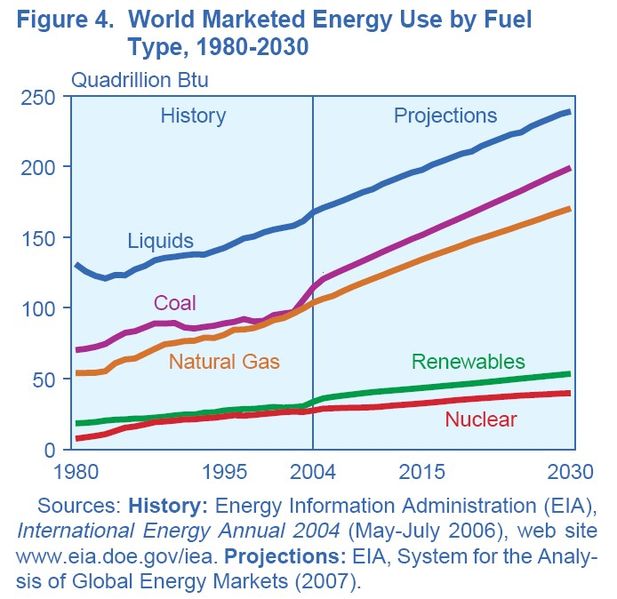
 As of 2005, nuclear power provided 6.3% of the world's energy and 15% of the world's electricity, with the U.S., France, and Japan together accounting for 56.5% of nuclear generated electricity.In 2007, the IAEA reported there were 439 nuclear power reactors in operation in the world,operating in 31 countries.As of December 2009, the world had 436 reactors. Since commercial nuclear energy began in the mid 1950s, 2008 was the first year that no new nuclear power plant was connected to the grid, although two were connected in 2009.
 |
Annual generation of nuclear power has been on a slight downward trend since 2007, decreasing 1.8% in 2009 to 2558 TWh with nuclear power meeting 13–14% of the world's electricity demand. One factor in the nuclear power percentage decrease since 2007 has been the prolonged shutdown of large reactors at the Kashiwazaki-Kariwa Nuclear Power Plant in Japan following the Niigata-Chuetsu-Oki earthquake.
The United States produces the most nuclear energy, with nuclear power providing 19% of the electricity it consumes, while France produces the highest percentage of its electrical energy from nuclear reactors—80% as of 2006. In the European Union as a whole, nuclear energy provides 30% of the electricity. Nuclear energy policy differs between European Union countries, and some, such as Austria, Estonia, and Ireland, have no active nuclear power stations. In comparison, France has a large number of these plants, with 16 multi-unit stations in current use.
In the US, while the coal and gas electricity industry is projected to be worth $85 billion by 2013, nuclear power generators are forecast to be worth $18 billion.
 Many military and some civilian (such as some icebreaker) ships use nuclear marine propulsion, a form of nuclear propulsion. A few space vehicles have been launched using full-fledged nuclear reactors: the Soviet RORSAT series and the American SNAP-10A.
No comments:
Post a Comment